
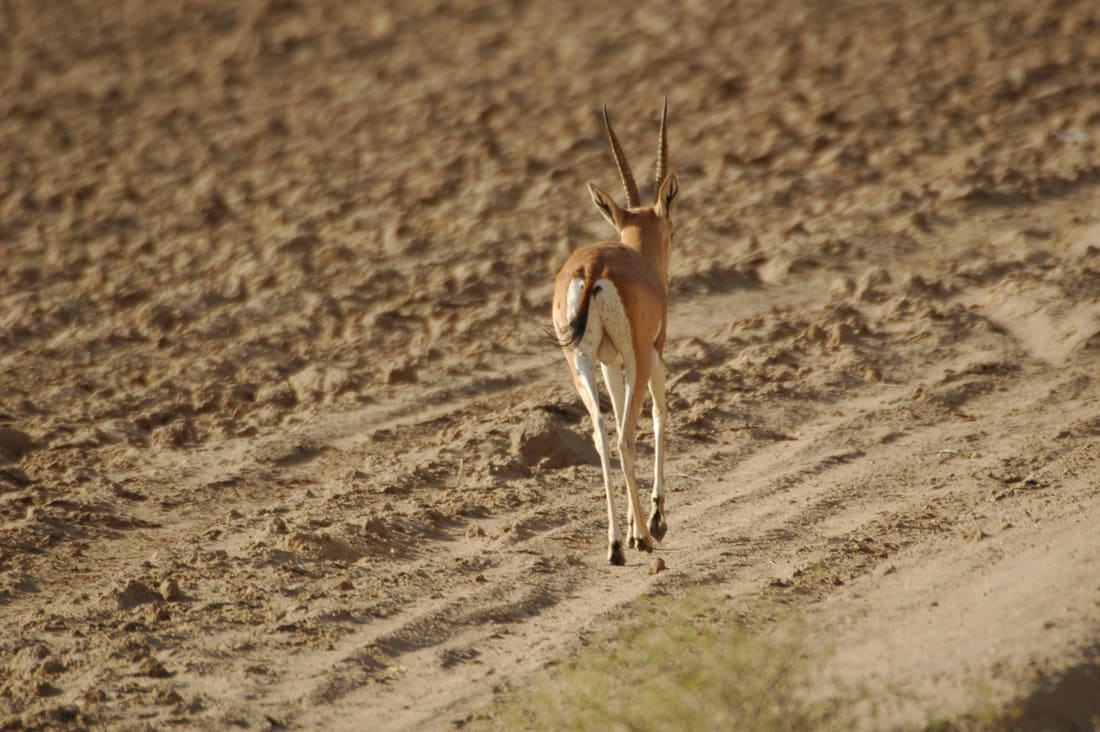
Image: Devendra Bhardwaj · iNaturalist · CC BY-NC 4.0 · Chhapar, Rajasthan · Resized
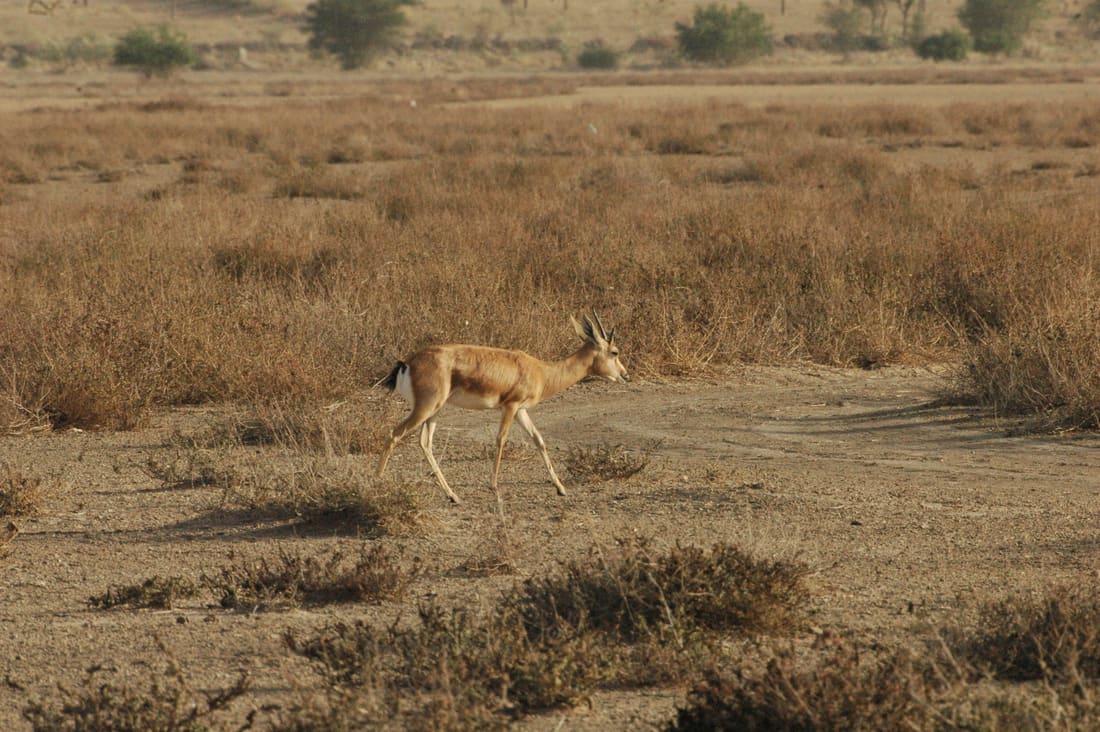
Image: Devendra Bhardwaj · iNaturalist · CC BY-NC 4.0 · Chhapar, Rajasthan · Resized
- Scientific name
- Gazella bennettii
- Hindi name
- चिंकारा
- Family
- Bovidae, order Artiodactyla
- Group
- Mammal
- Conservation status
- Least Concern
The graceful runner of the desert.
- Spot it Sandy-brown coat, white belly, curved horns and dark face stripes.
- Home Deserts, scrub and dry hills.
- Food web Browses grasses, leaves and pods; leopards and wolves prey on it.
- Why it matters Browsing and dung help cycle nutrients in dry land, and it is prey for leopards and wolves.
Read more: Chinkara on Wikipedia
Sources and credits
Records and field notes
- RajasthanDevendra Bhardwaj has 2 verified records of this species on iNaturalist in 2010, in Chhapar.[20]
Sources
- IUCN Red List of Threatened Species (species pages linked on each entry) (database). Global conservation status. Every species page was opened.
- Devendra Bhardwaj. iNaturalist observations and notes, with place and date (inaturalist.org/people/devendrabhardwaj) (field record). The observer's own dated records and notes, with places. Statements in his notes are his own and were not independently checked by KJVF.
- GBIF Backbone Taxonomy and GBIF species data (family, order, Hindi names, IUCN category) (database). Open biodiversity data. Used for classification, Hindi common names and the IUCN category where one is given.
- Wikidata (Hindi labels for species) (database). Open data, used for Hindi common names.
- Wikipedia, the free encyclopedia (opening lines of each species article, CC BY-SA 4.0). The link on each entry goes to the article (reference). Not peer reviewed. Only the opening description is used, and statements about origin or medicinal use are left out.
- Short introductions and key points written with AI help (Google Gemini and Claude) and checked against GBIF where possible (reference). AI-assisted text for general readers. Please check important details before relying on them.
The tag before each record shows the place it was checked for.
More in Wild animals
Mammal
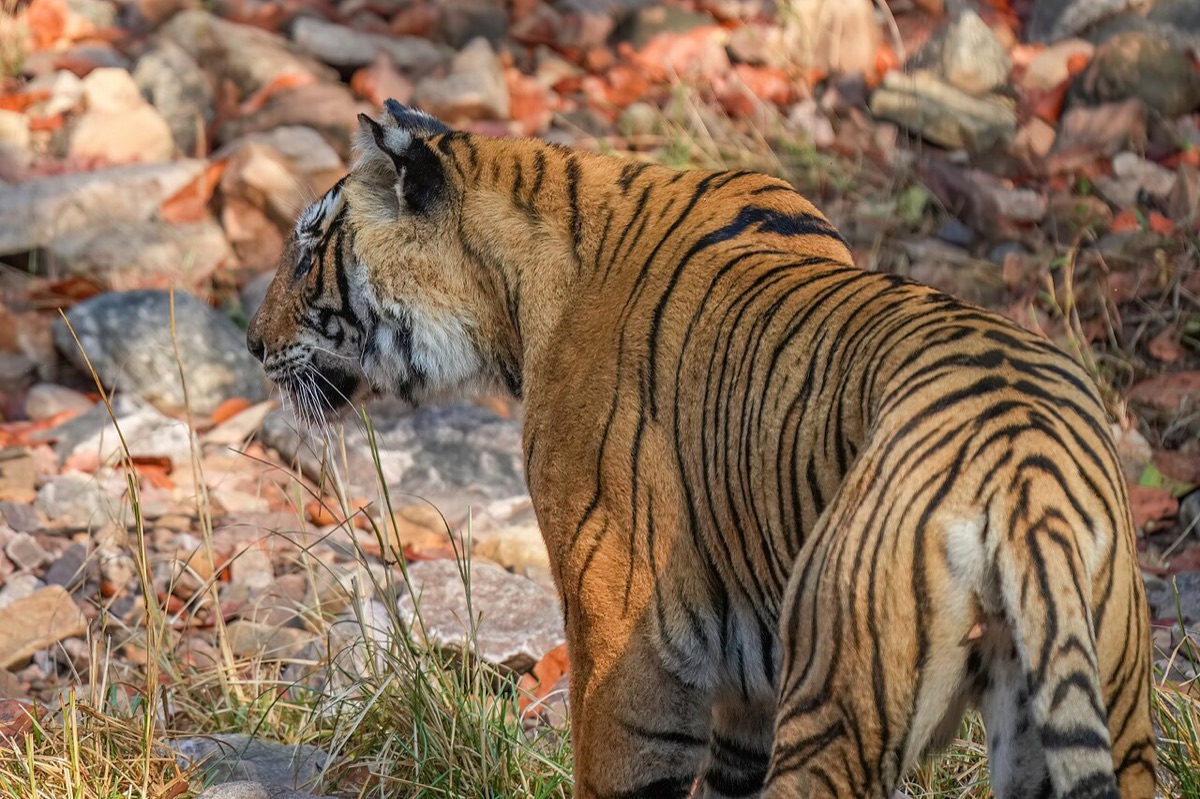
Bengal tiger
Panthera tigris
बाघ
Endangered
Mammal
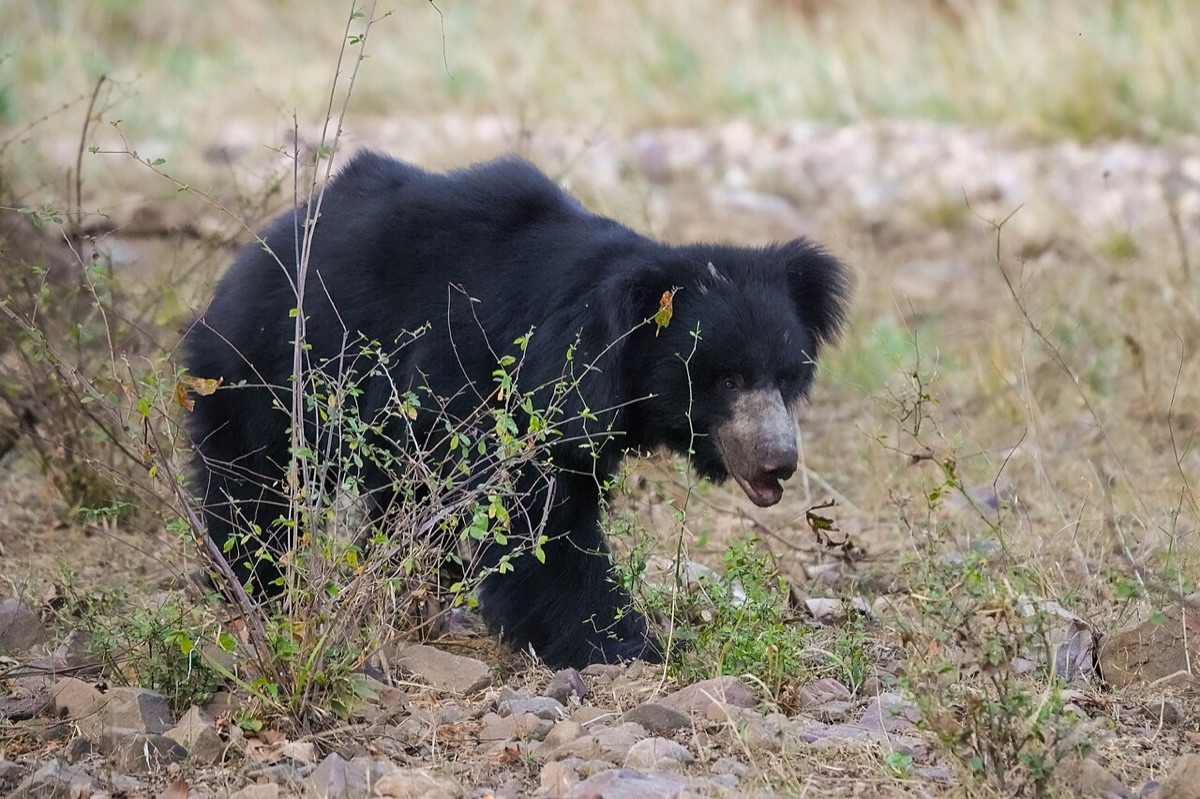
Sloth bear
Melursus ursinus
भालू, रीछ
Vulnerable
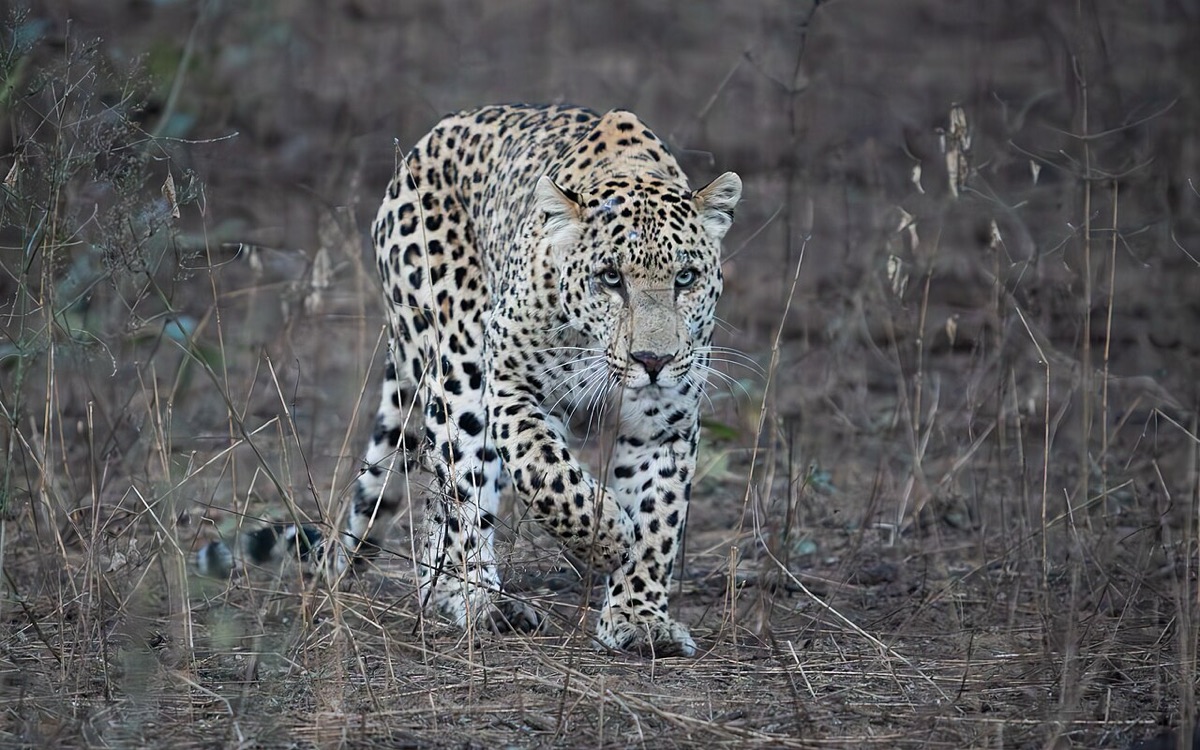
Mammal
Leopard
Panthera pardus
तेंदुआ, तेन्दुआ
Vulnerable
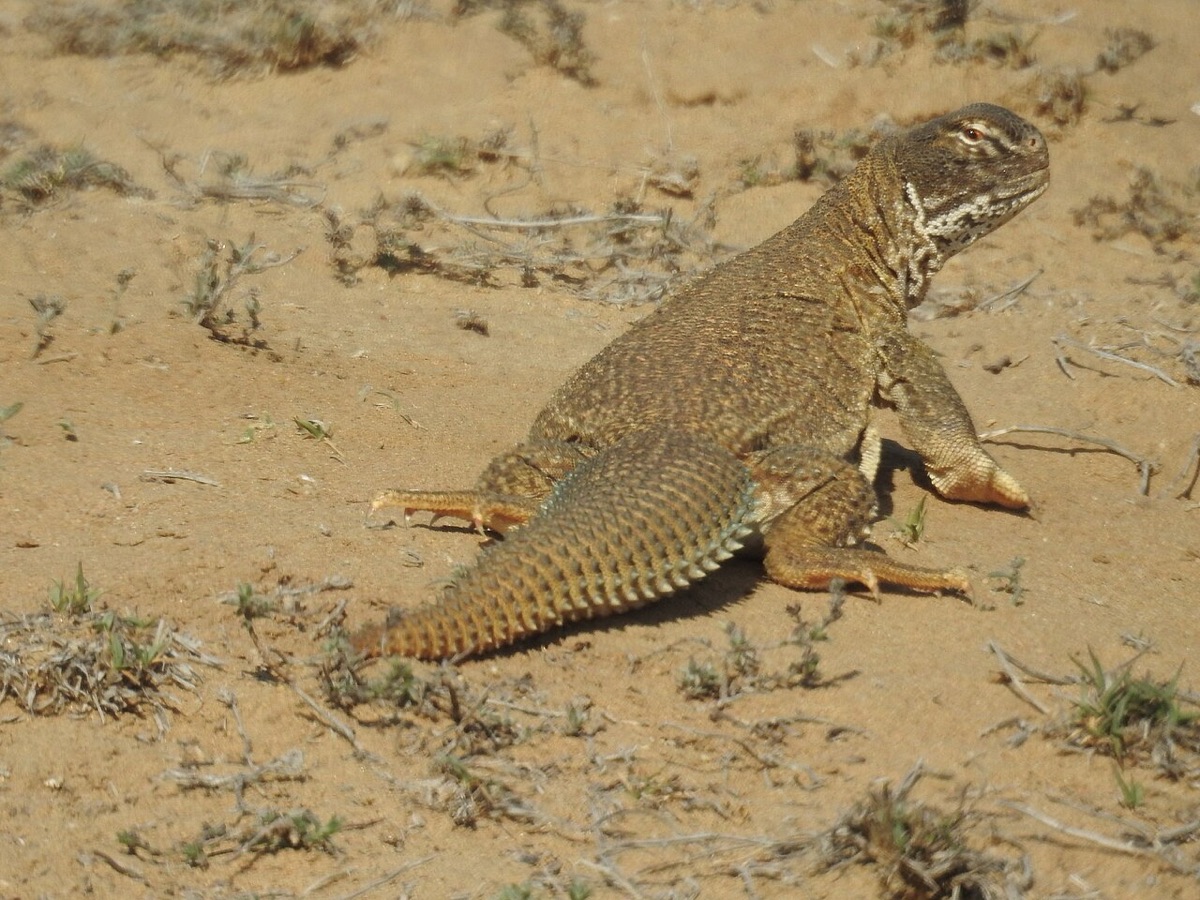
Reptile
Indian spiny-tailed lizard
Saara hardwickii
Vulnerable
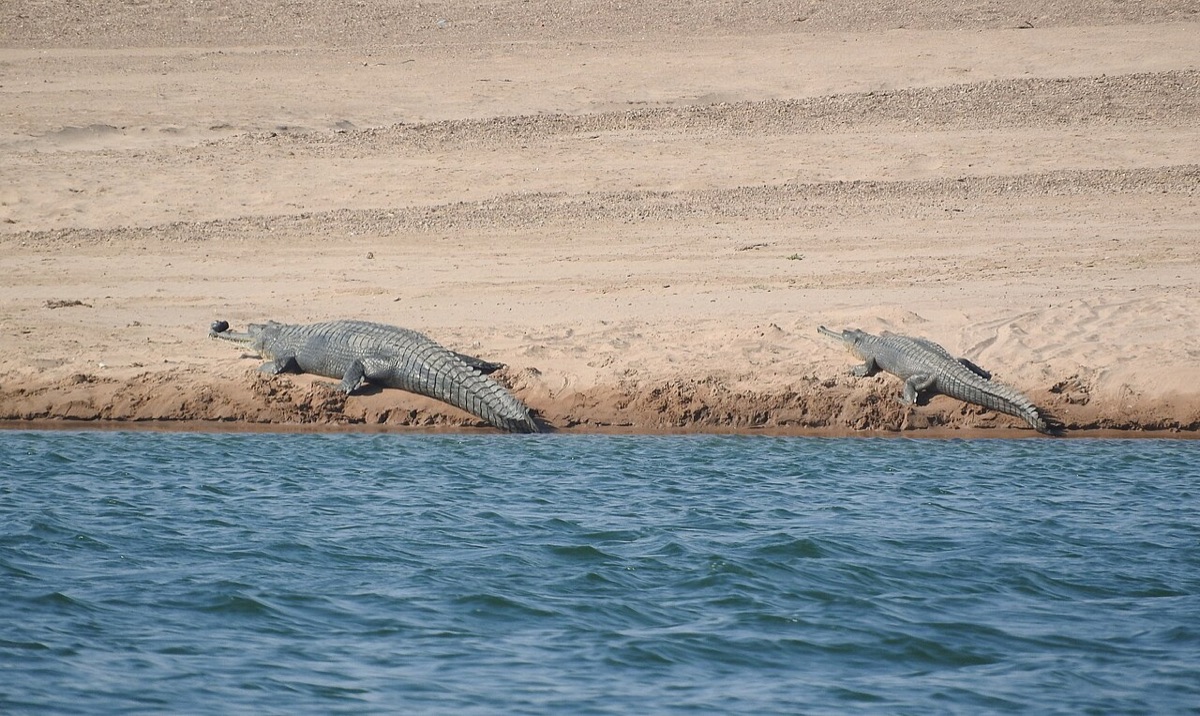
Reptile
Gharial
Gavialis gangeticus
घड़ियाल
Critically Endangered
- Photo to come
Aquatic mammal
Ganges river dolphin
Platanista gangetica
गंगा डालफिन
Endangered
Mammal
Chamba Sacred Langur
Semnopithecus ajax
कश्मीर धूसर लंगूर
Endangered
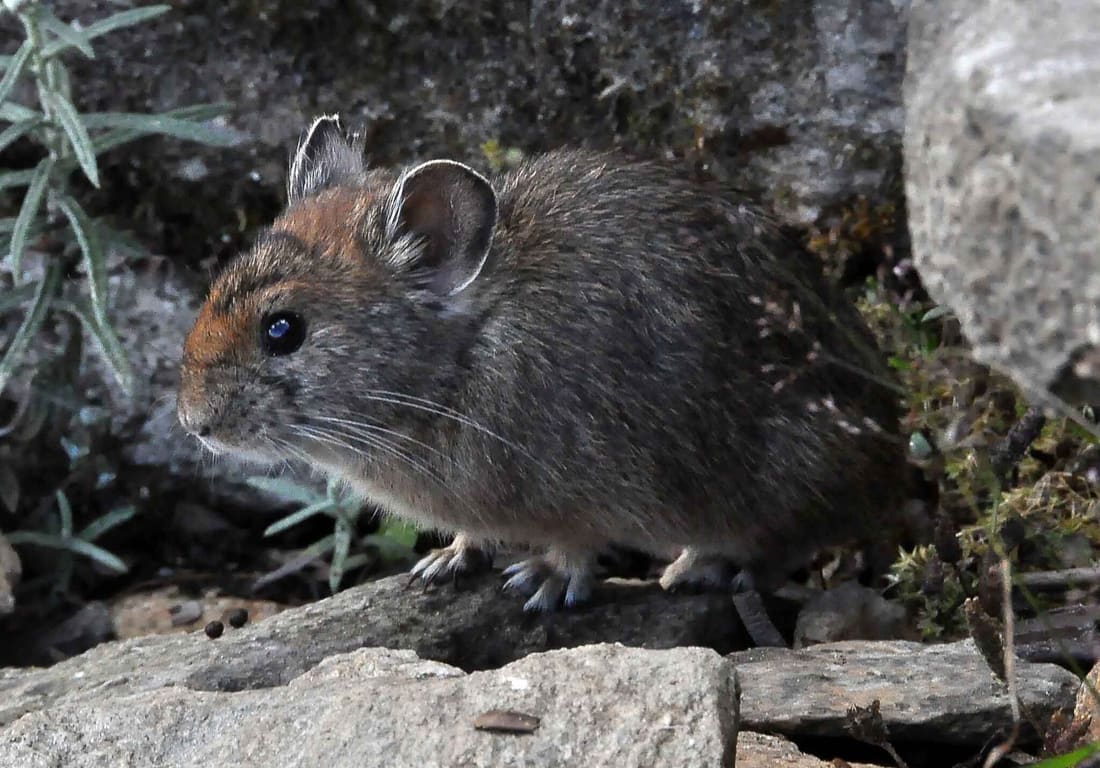
Mammal
Himalayan Pika
Ochotona roylii
Least Concern
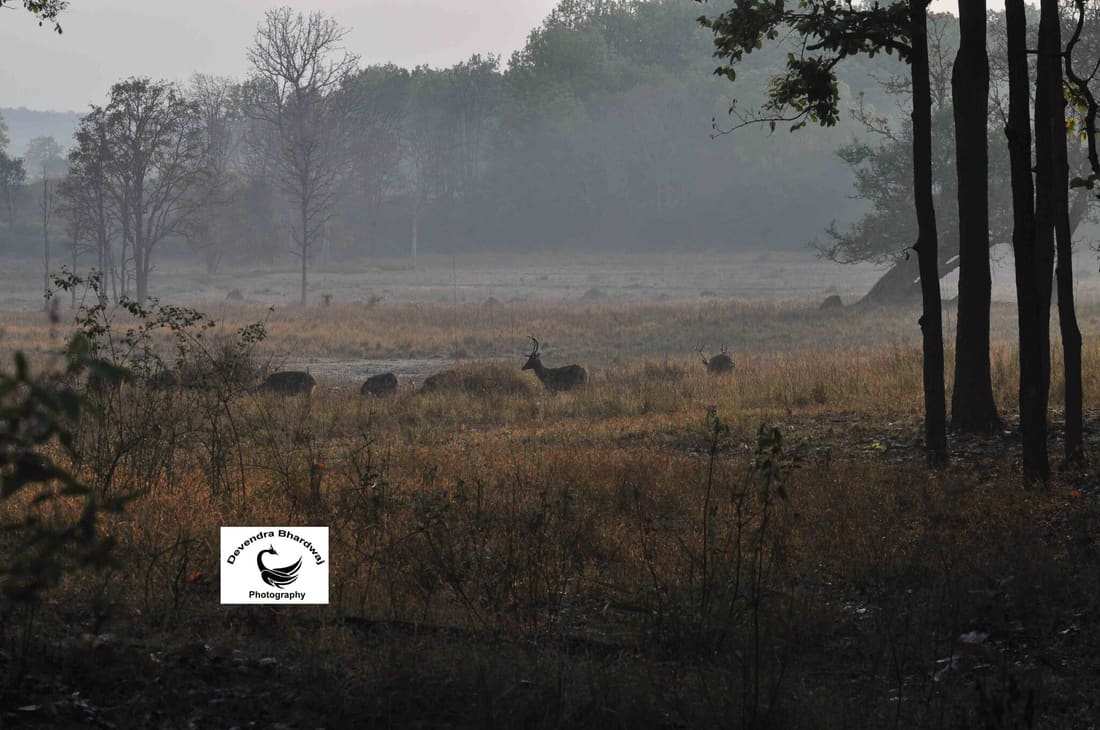
Mammal
Southern Swamp Deer
Rucervus duvaucelii branderi
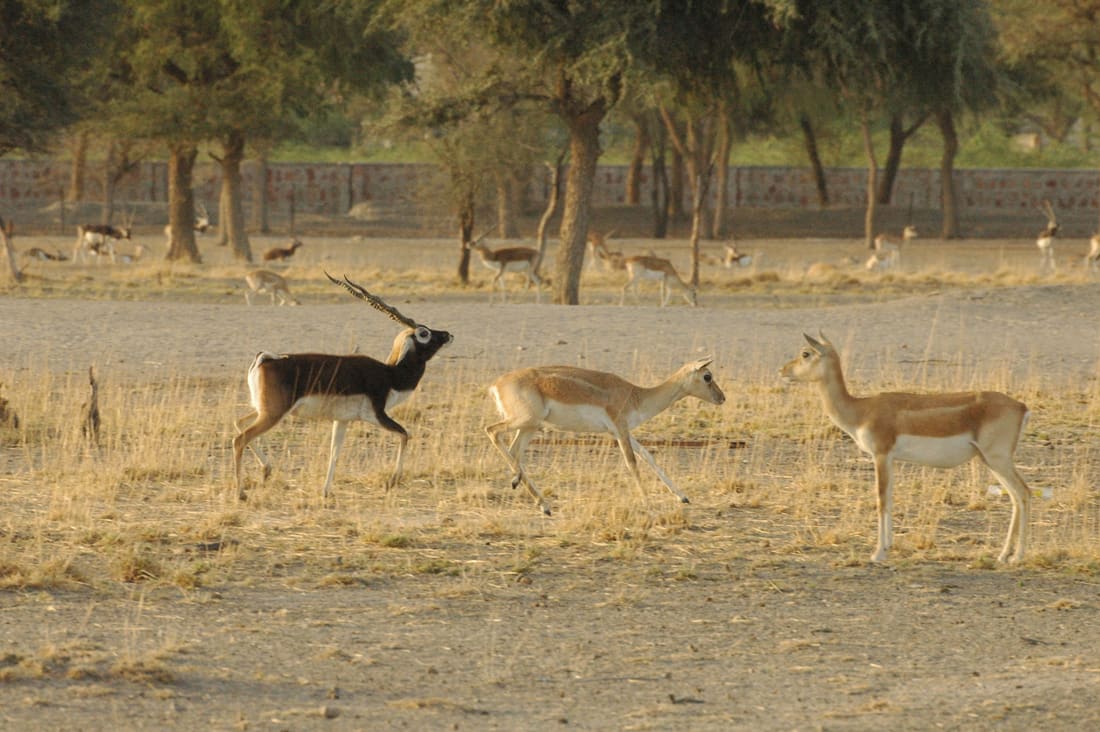
Mammal
Northwestern Blackbuck
Antilope cervicapra rajputanae
काला हिरन
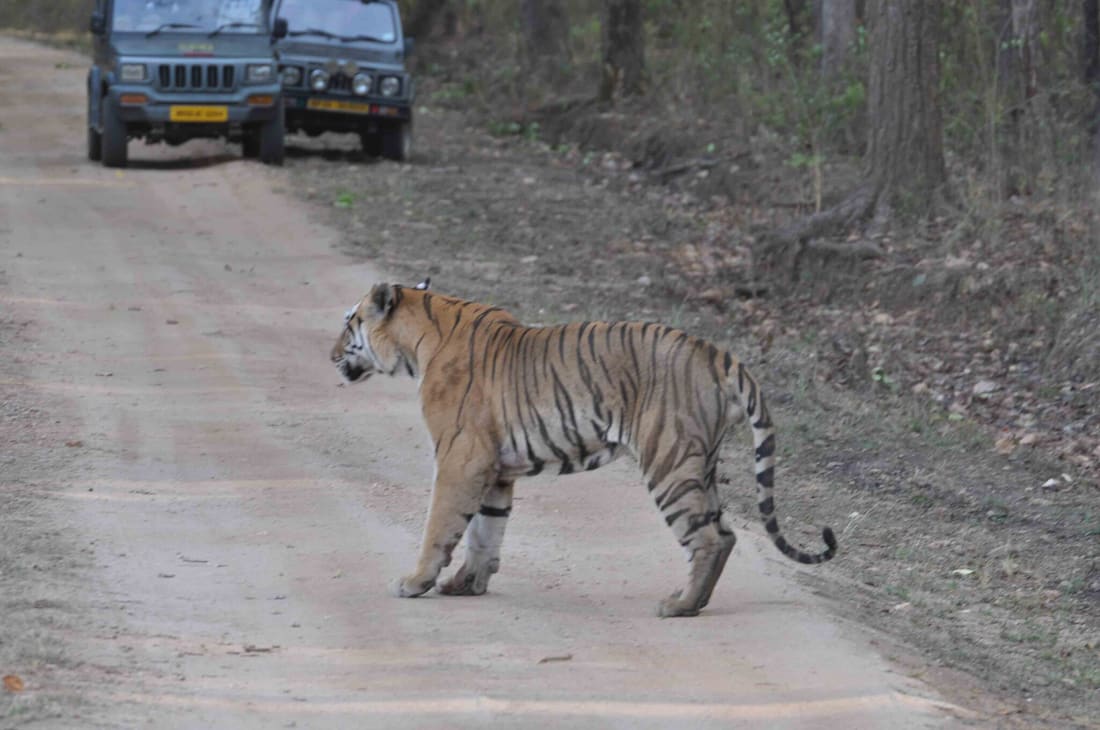
Mammal
Bengal Tiger
Panthera tigris tigris
बंगाल बाघ, बाघ
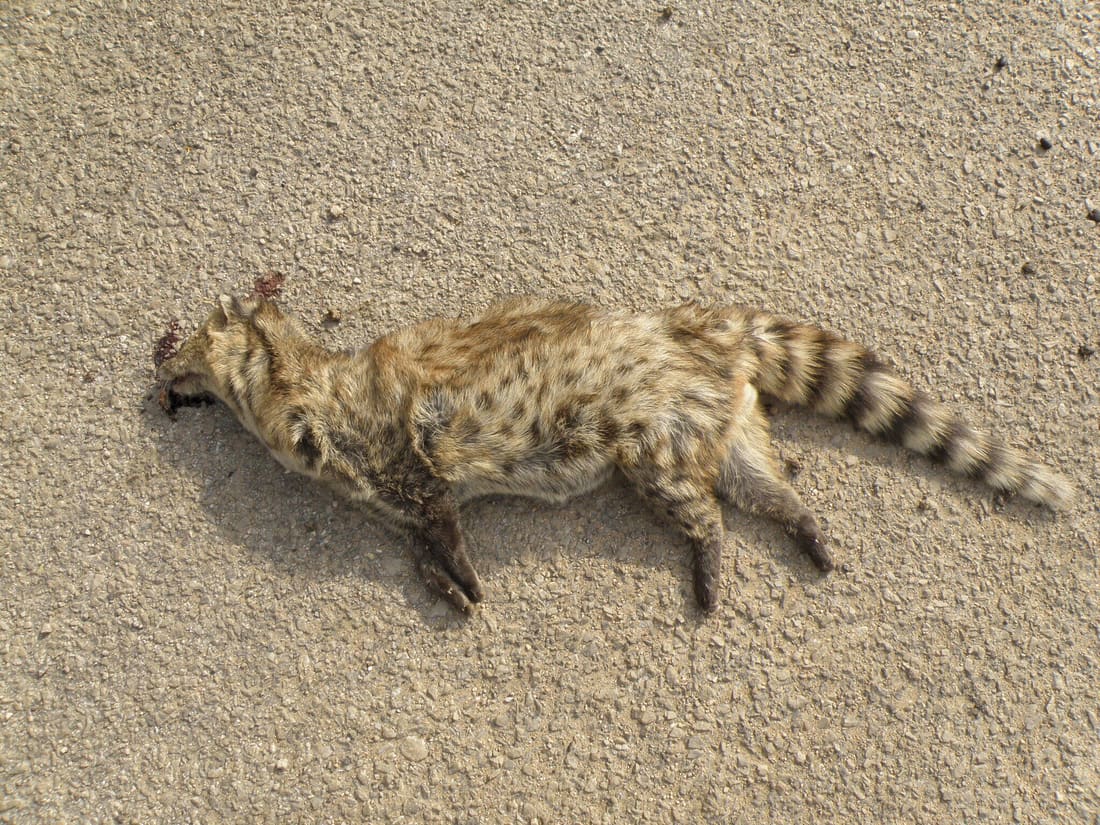
Mammal
Small Indian Civet
Viverricula indica
छोटा भारतीय कस्तूरी बिलाव
Least Concern
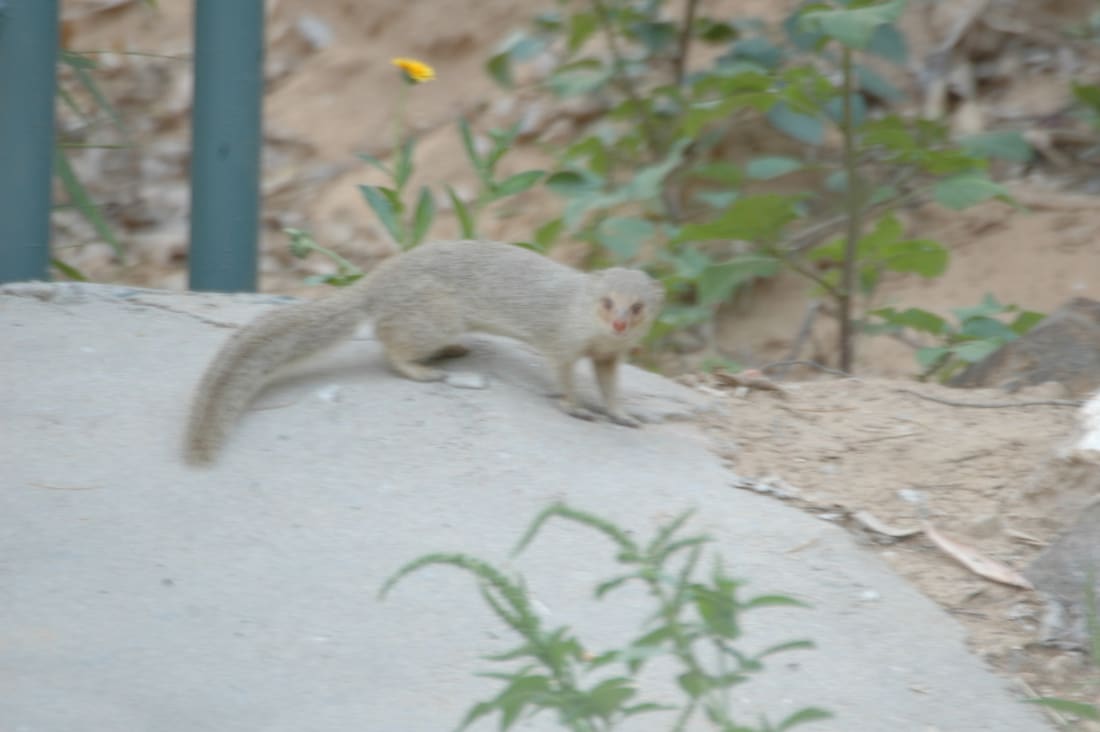
Mammal
Small Indian Mongoose
Urva auropunctata
Least Concern
Mammal
Indian Flying Fox
Pteropus medius
फल चमगादड़
Near Threatened
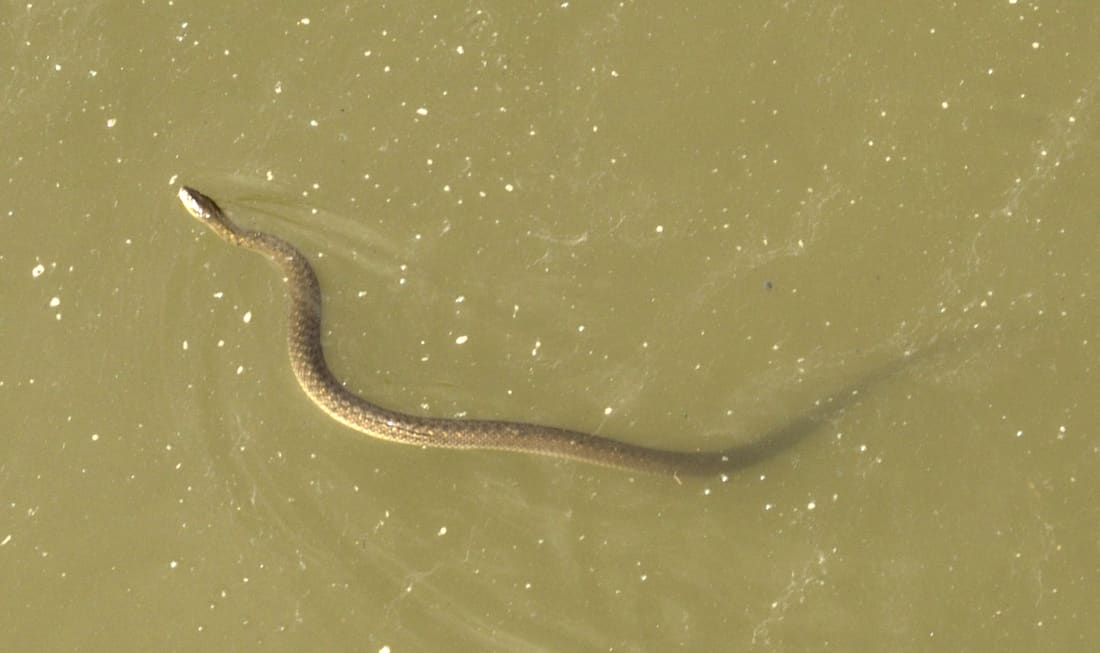
Reptile
Chequered Keelback
Fowlea piscator
Least Concern
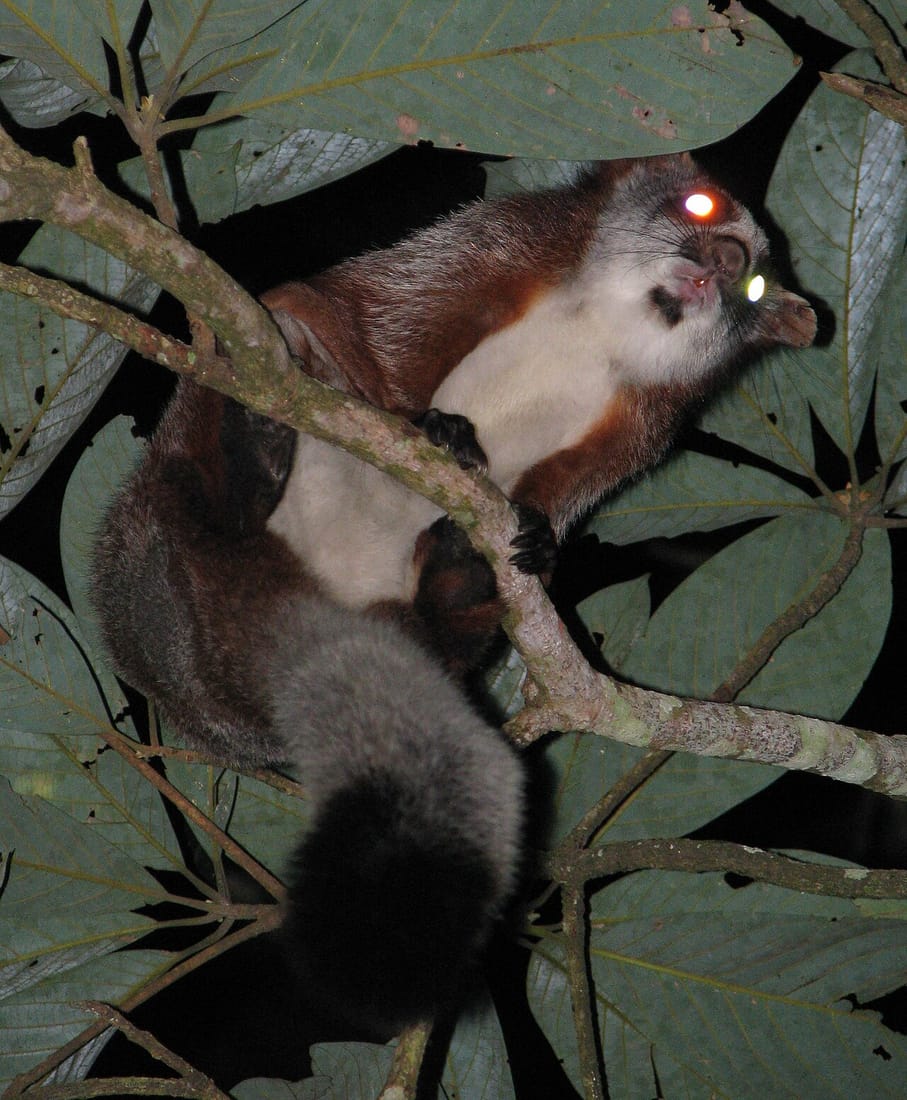
Mammal
Common giant flying squirrel
Petaurista petaurista
Least Concern
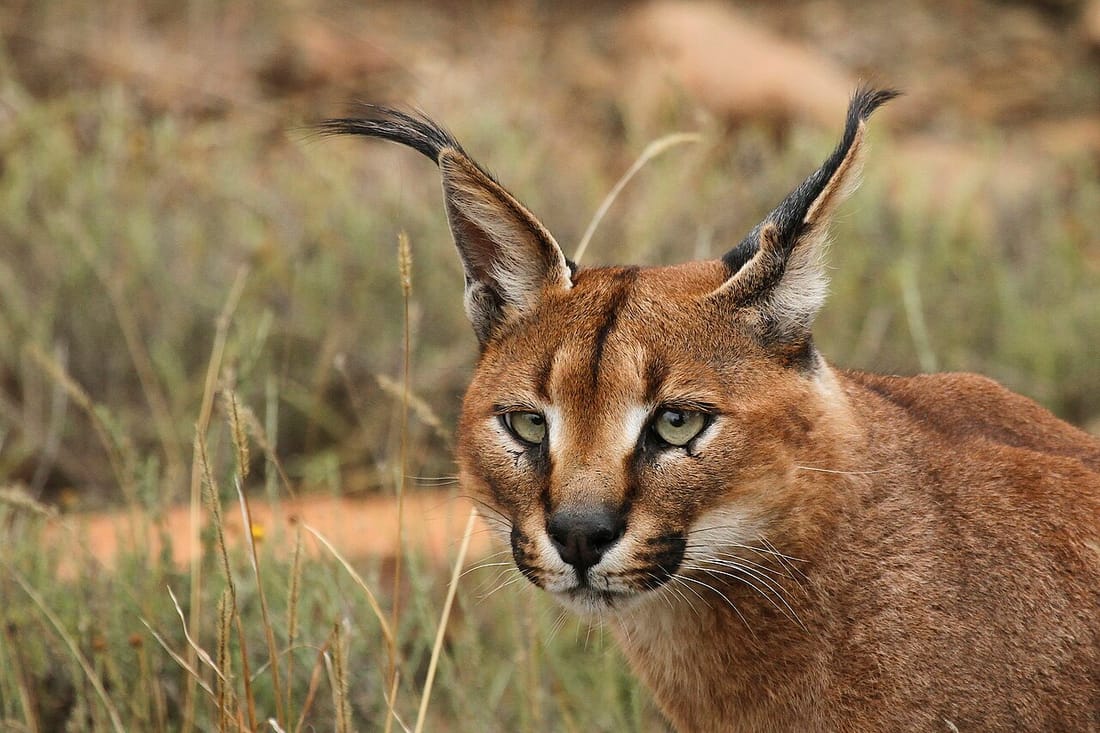
Mammal
Caracal
Caracal caracal
स्याहगोश
Least Concern
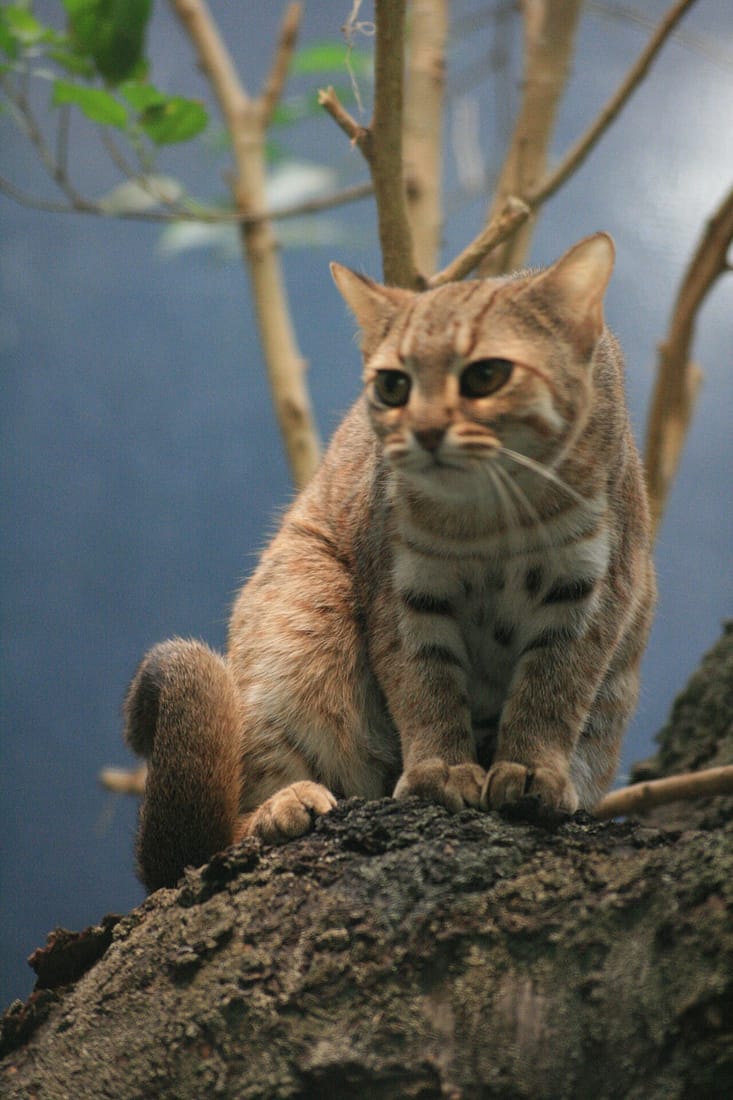
Mammal
Rusty-spotted cat
Prionailurus rubiginosus
रोहित-द्वीपी बिल्ली
Near Threatened
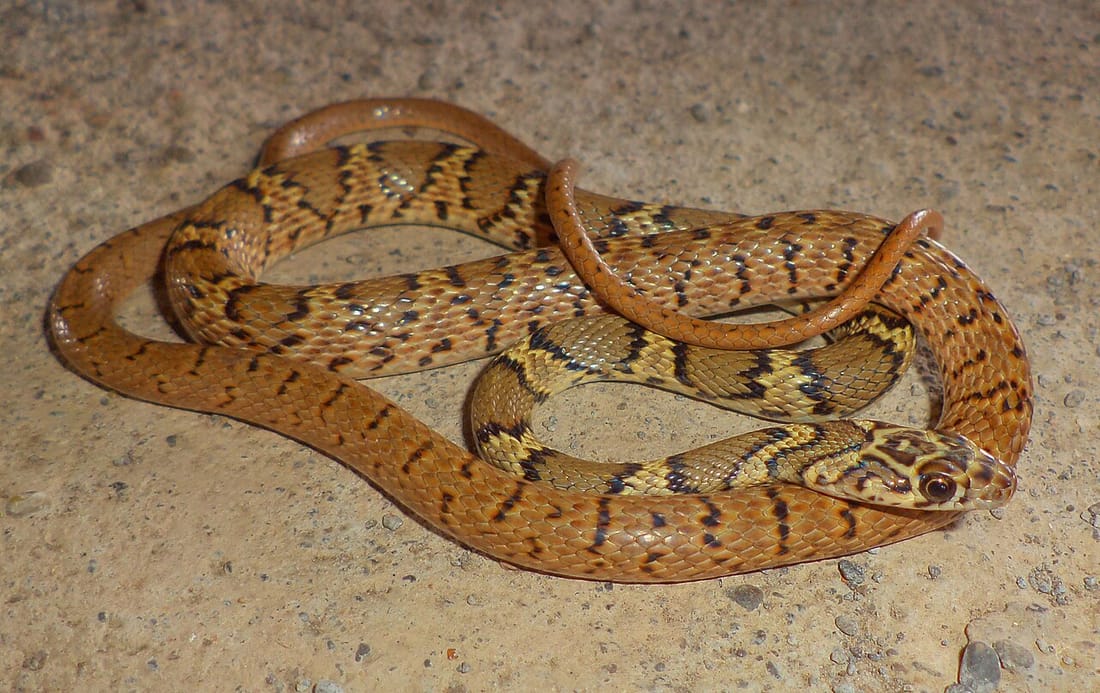
Reptile
Slender racer
Coluber gracilis
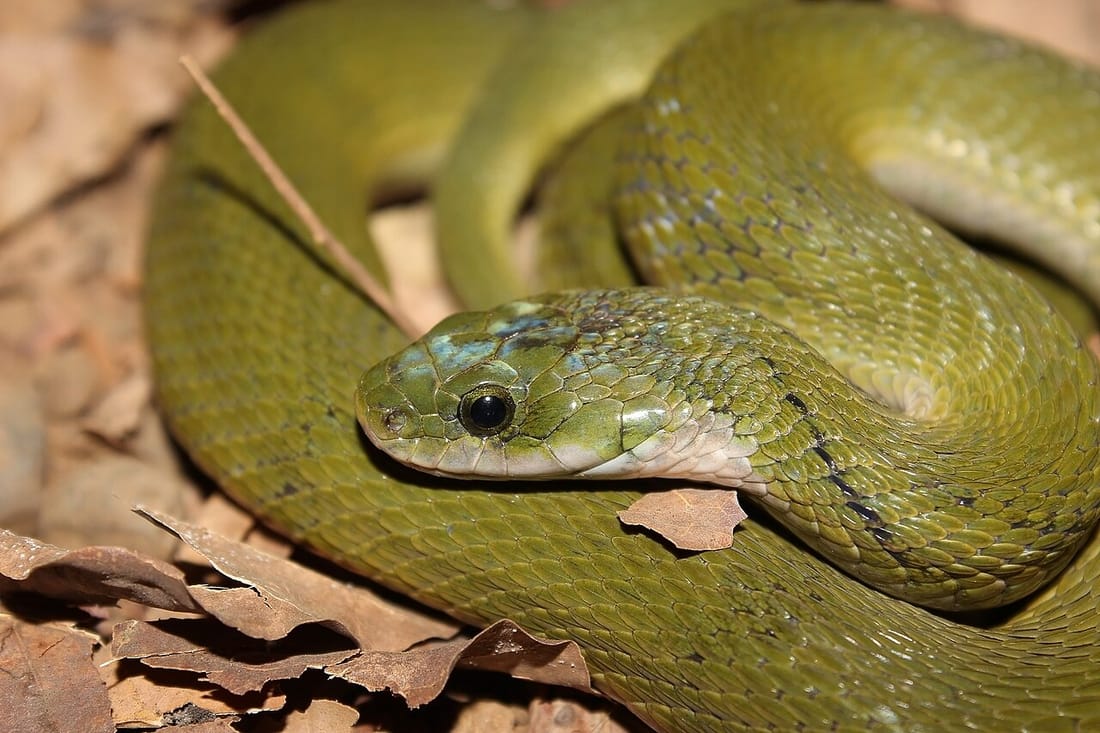
Reptile
Green keelback
Rhabdophis plumbicolor
Least Concern
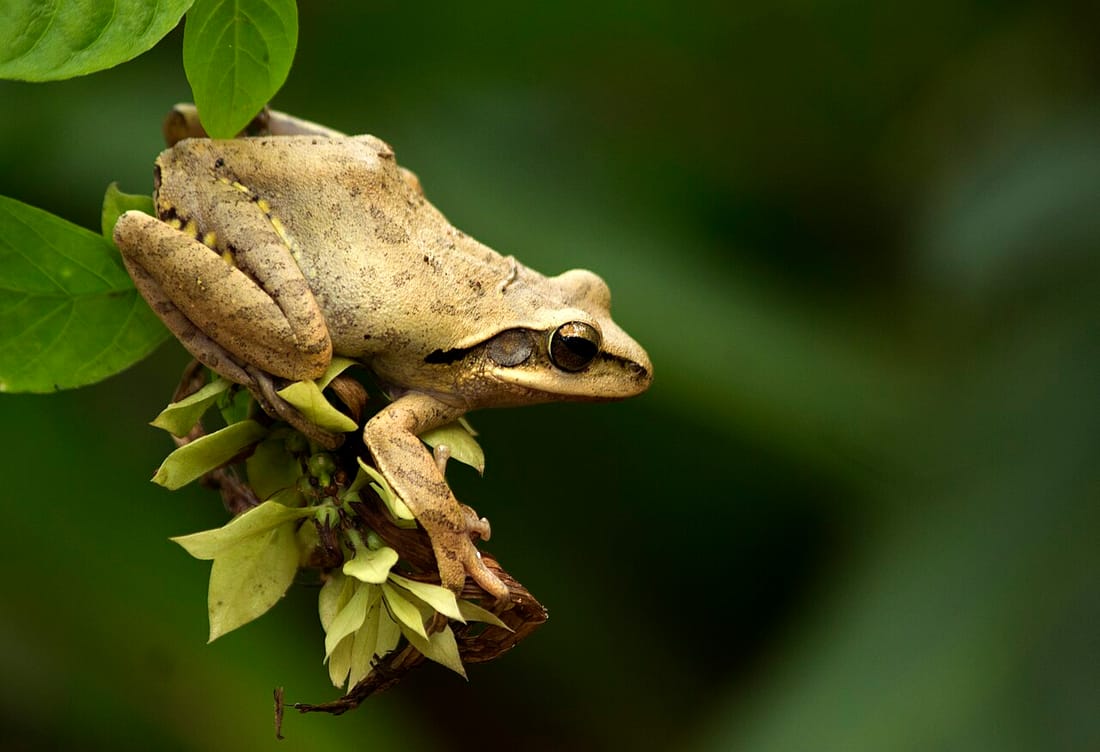
Amphibian
Common tree frog
Polypedates maculatus
पॉलीपेडेट्स मैक्यूलैटस
Least Concern