
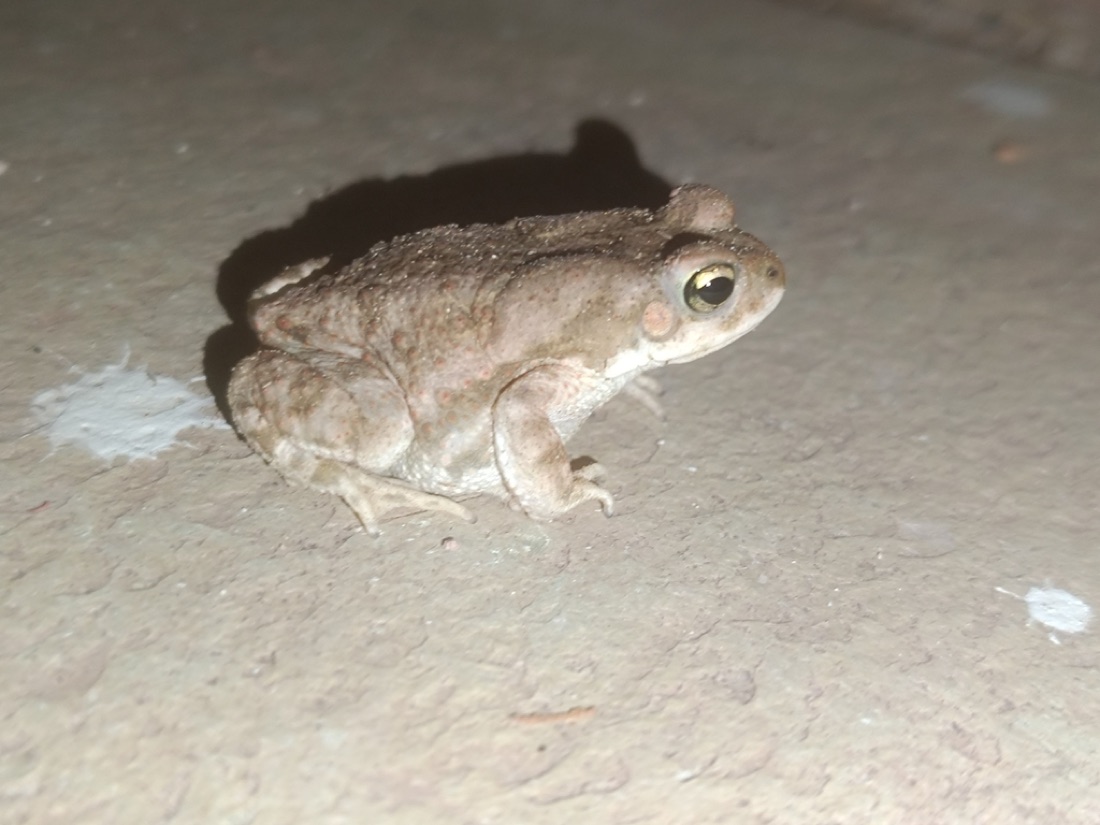
- Scientific name
- Firouzophrynus stomaticus
- Family
- Bufonidae, order Anura
- Group
- Amphibian
- Conservation status
- Least Concern
The toad of Rajasthan's dry country.
- Spot it A plain sandy or olive-grey toad with small warts and few or no bony ridges on top of the head.
- Home Fields, gardens, villages and dry scrub; it hides in the soil by day.
- Food web Eats ants, beetles and other insects; snakes and birds eat it.
- Why it matters Keeps insect numbers down around homes and fields.
When to see it in Rajasthan
Sightings: most records in Mar and Jul–Oct
- January: no records
- February: a few records
- March: most records
- April: many records
- May: many records
- June: a few records
- July: most records
- August: most records
- September: most records
- October: most records
- November: no records
- December: a few records
From 77 confirmed sightings of Indus Valley toad in Rajasthan shared on iNaturalist. Darker months have more records.
Further reading
More in Urban wild animals
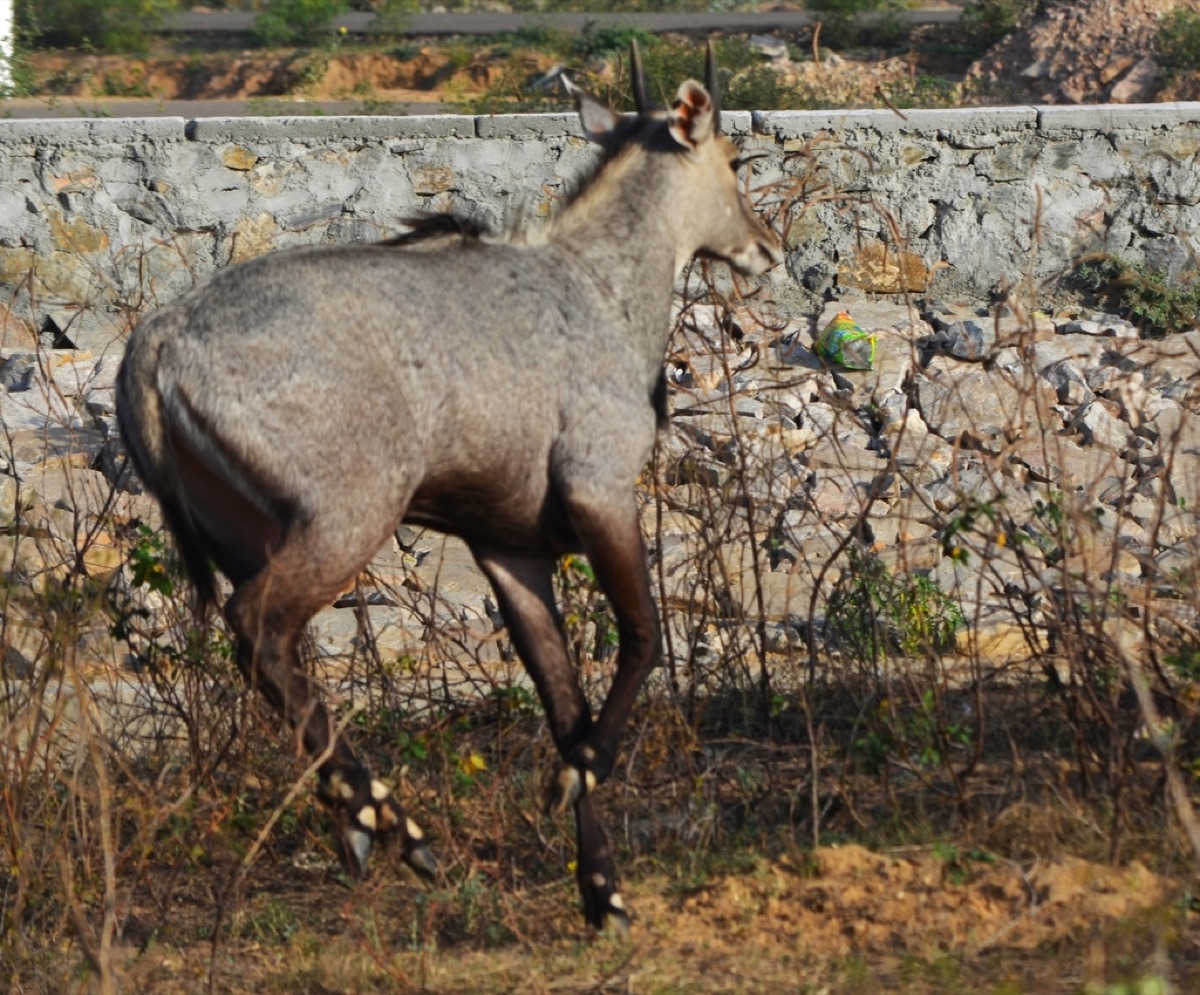
Mammal
Nilgai
Boselaphus tragocamelus
नीलगाय
Least Concern
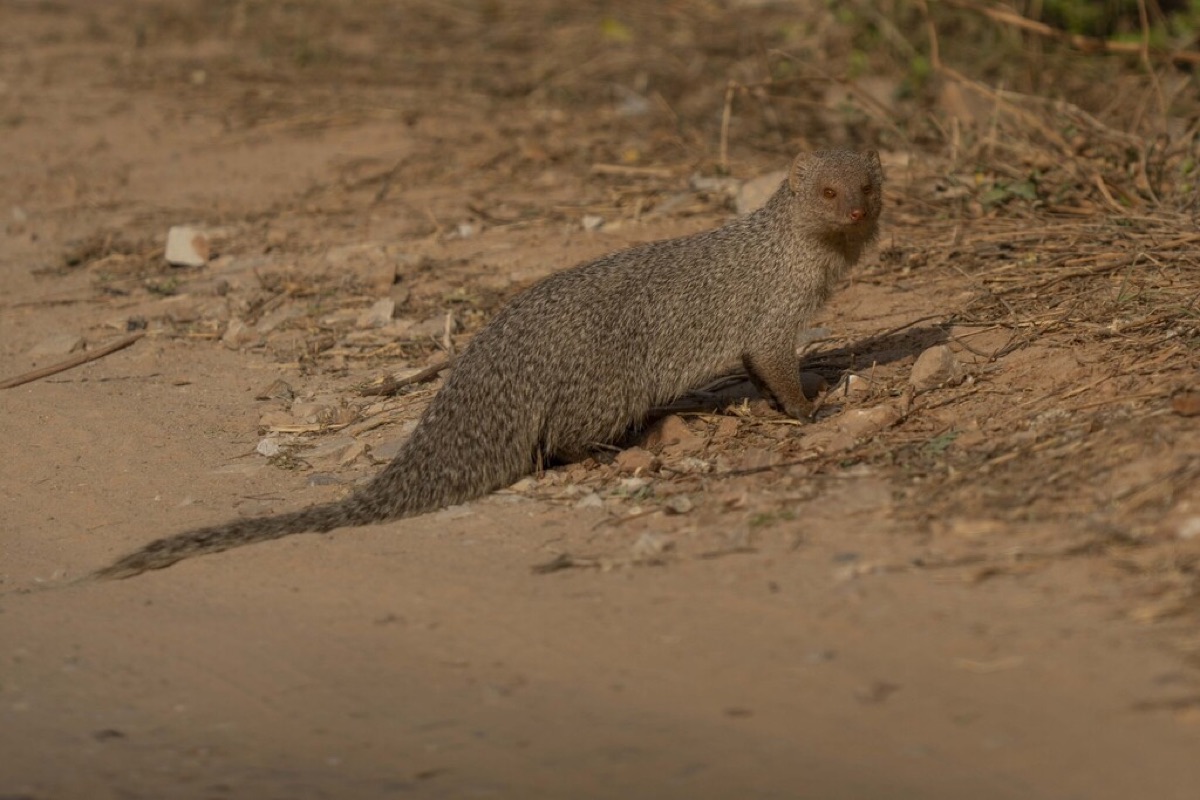
Mammal
Indian grey mongoose
Urva edwardsii
Least Concern
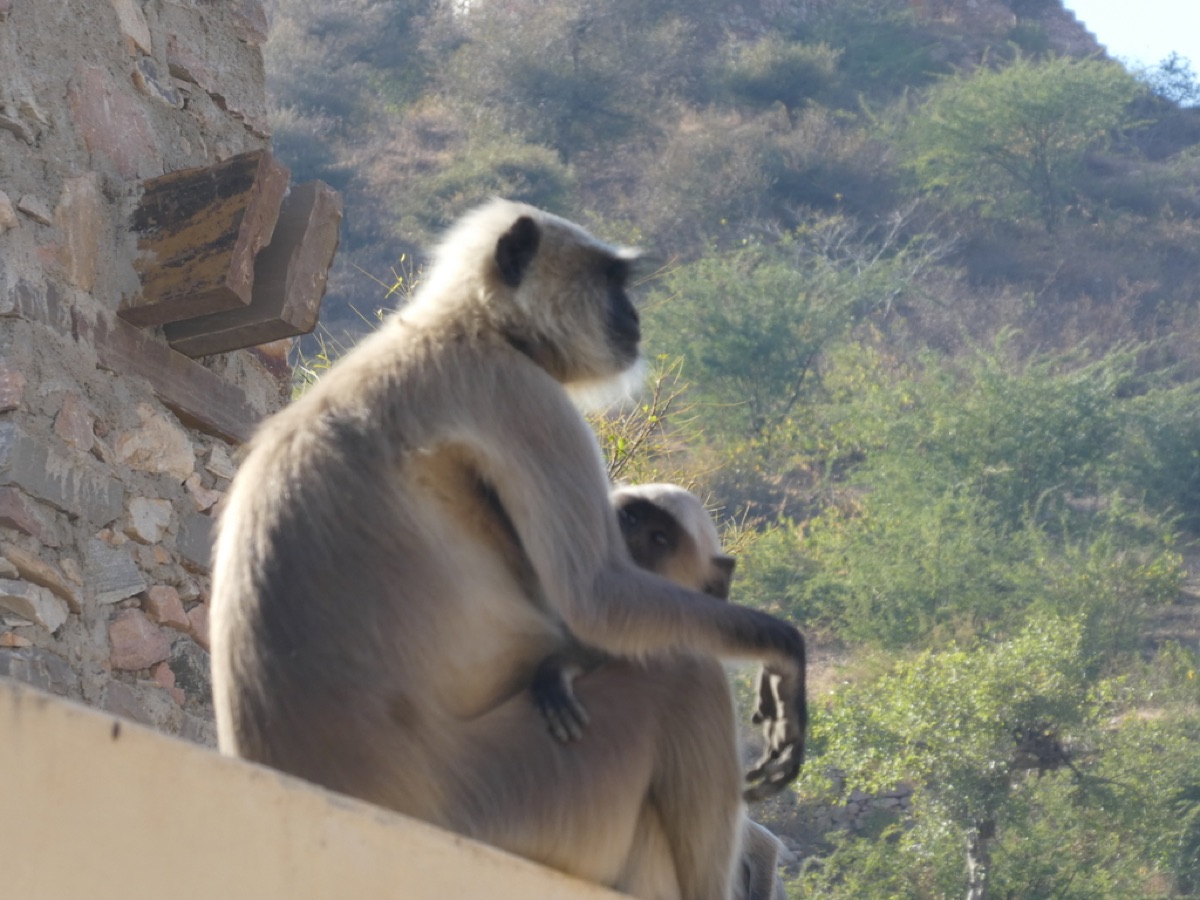
Mammal
Hanuman langur
Semnopithecus entellus
Least Concern
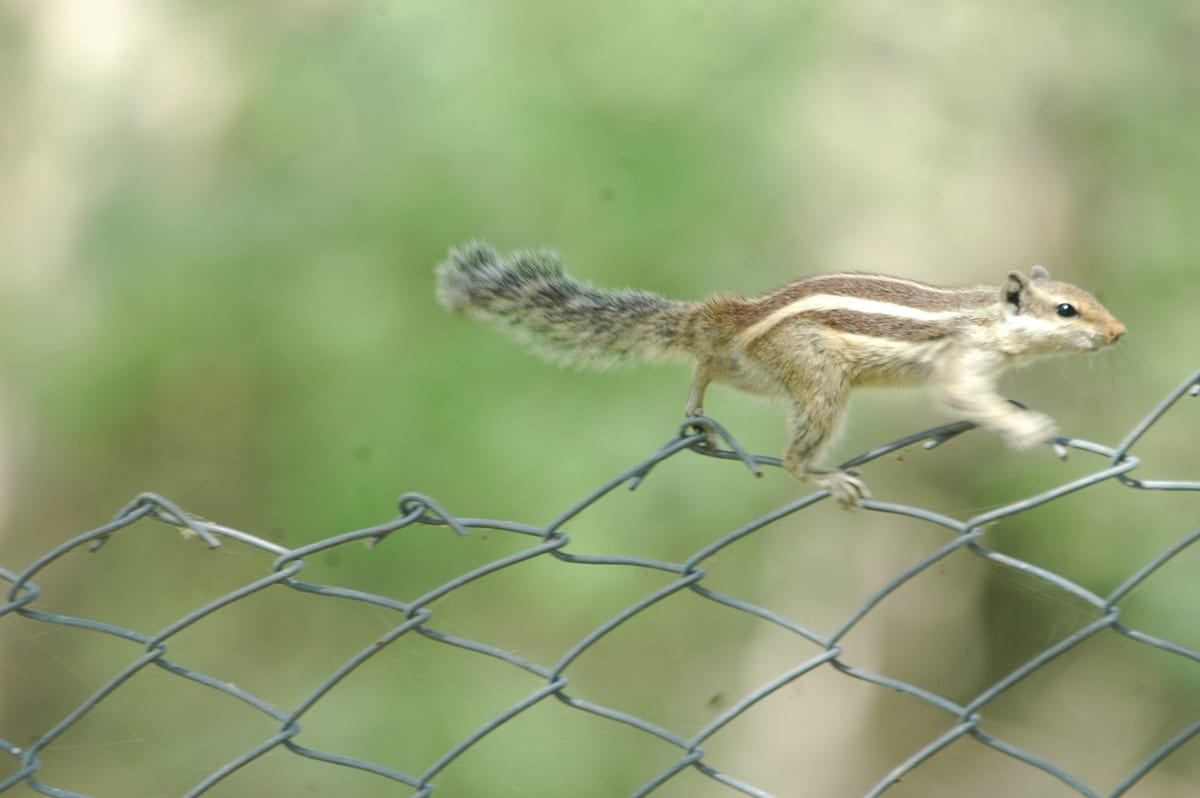
Mammal
Five-striped palm squirrel
Funambulus pennantii
पाँचधारी गिलहरी
Least Concern
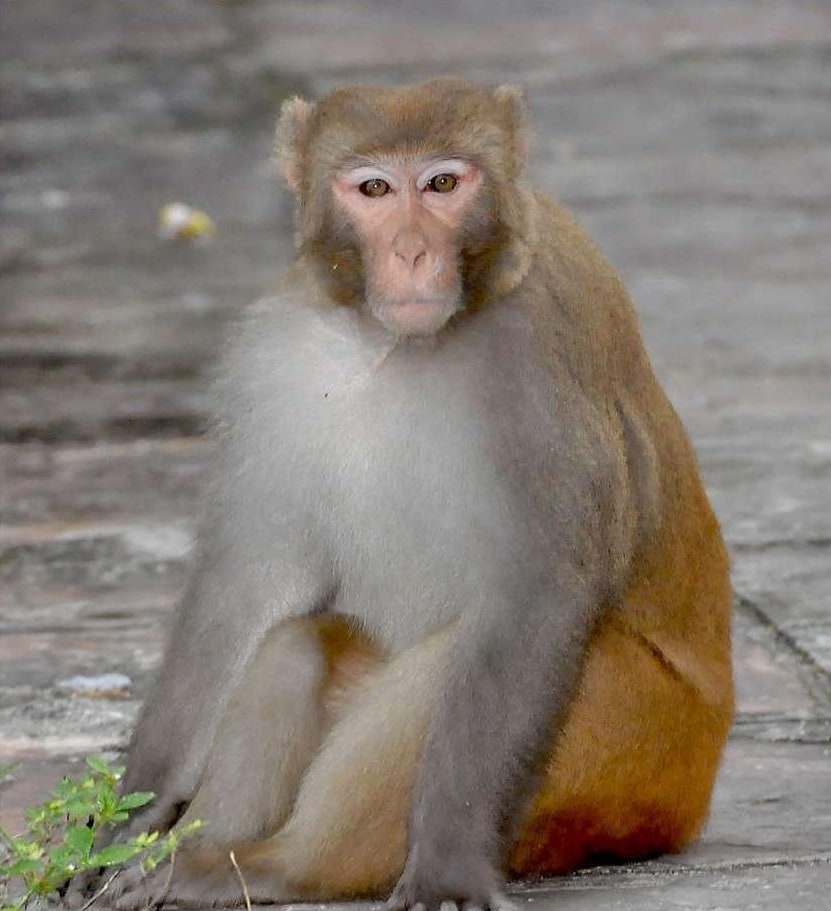
Mammal
Rhesus macaque
Macaca mulatta
बंदर, लाल मुँह का बंदर
Least Concern
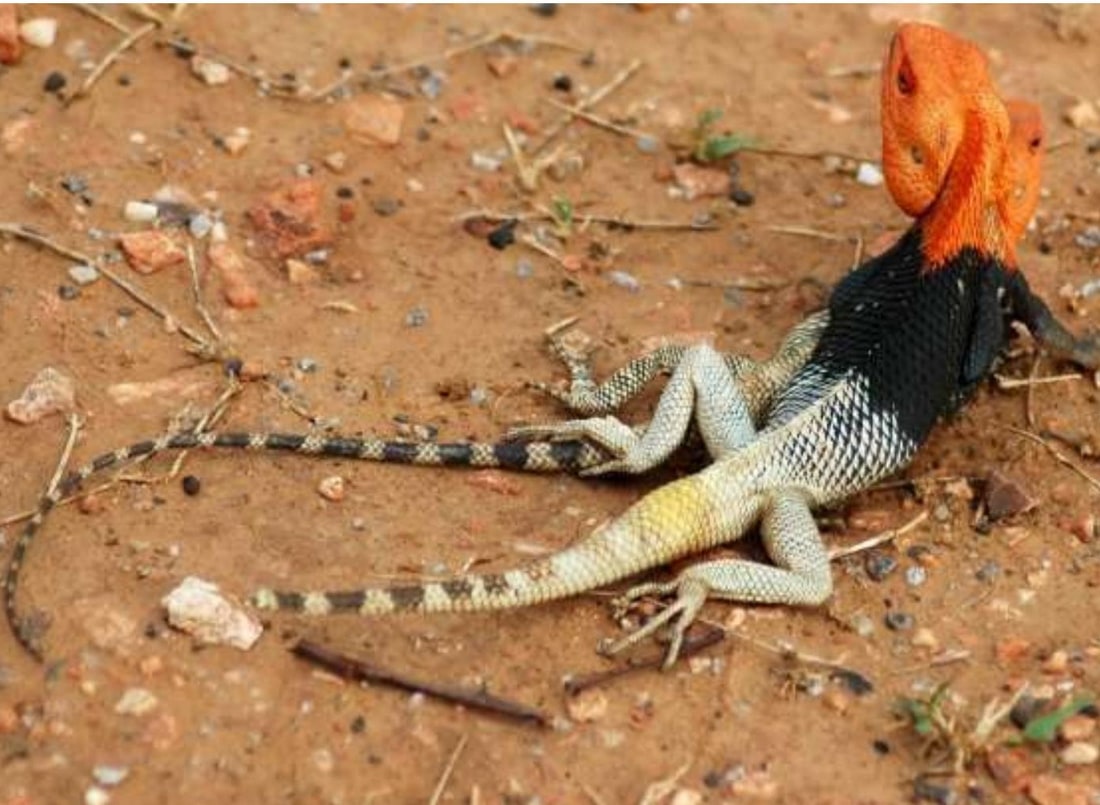
Reptile
Oriental garden lizard
Calotes versicolor
गिरगिट
Least Concern
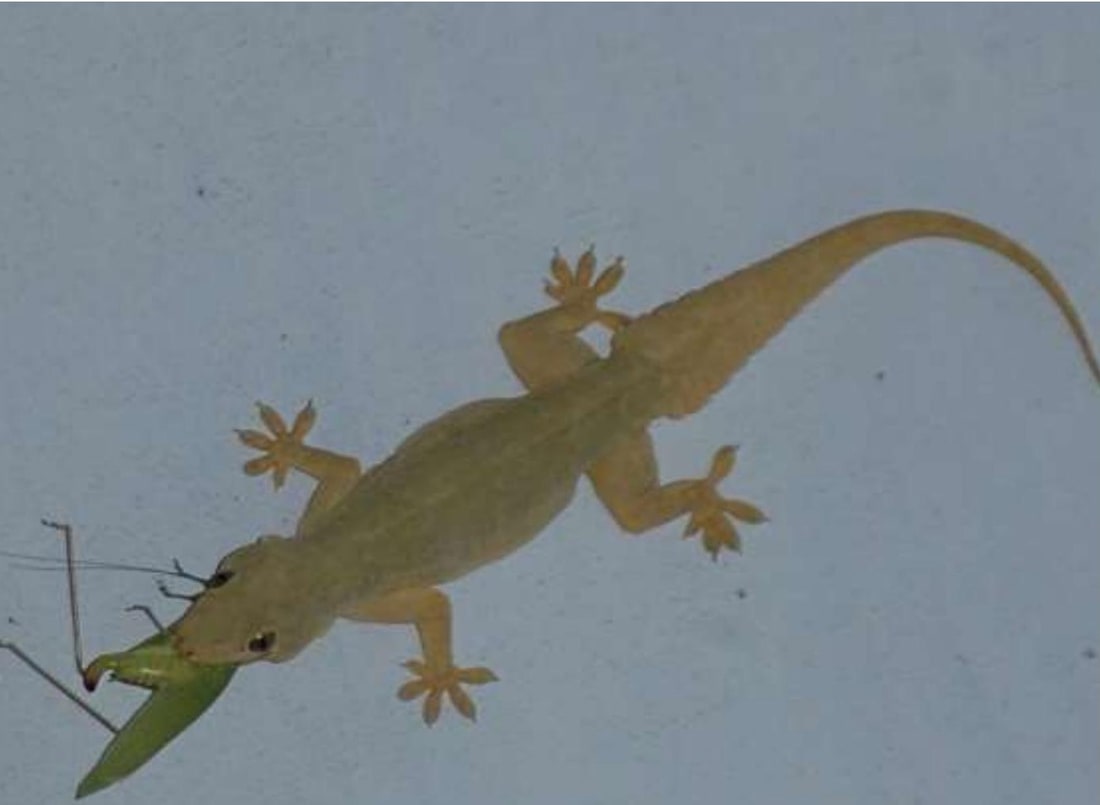
Reptile
Yellow-bellied house gecko
Hemidactylus flaviviridis
घरेलू छिपकली
Least Concern
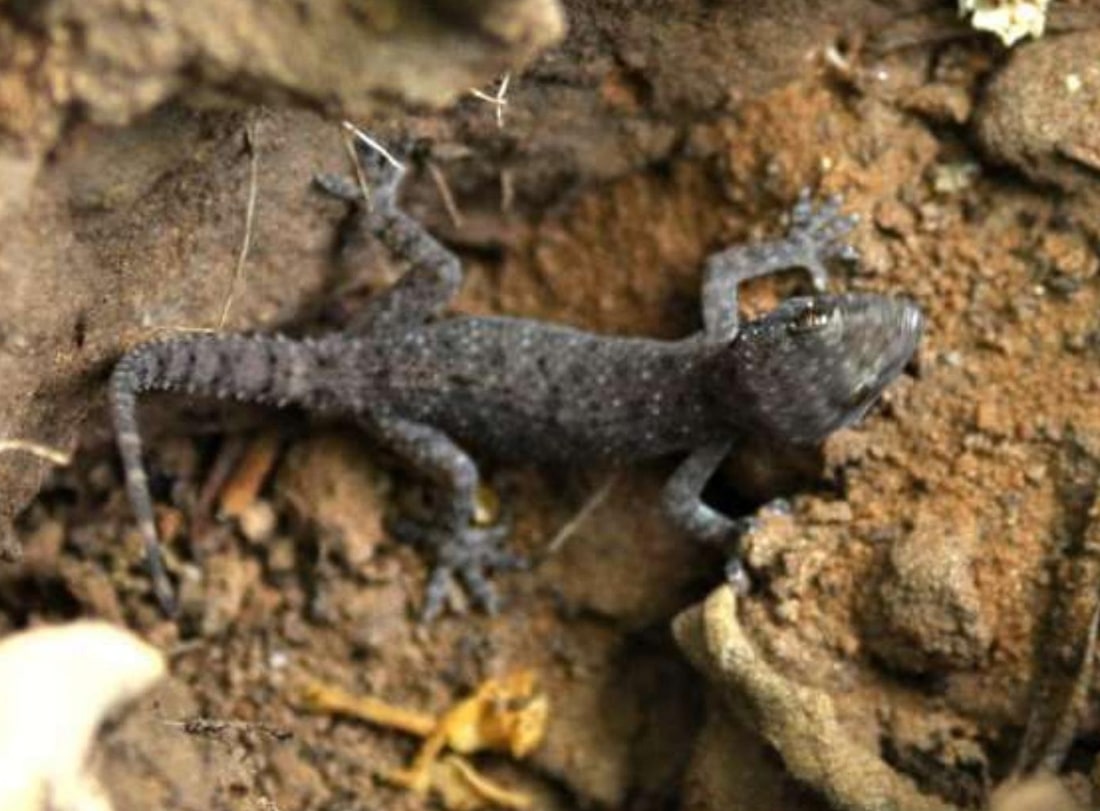
Reptile
Brooke's house gecko
Hemidactylus brookii
ब्रूकी घरेलू छिपकली
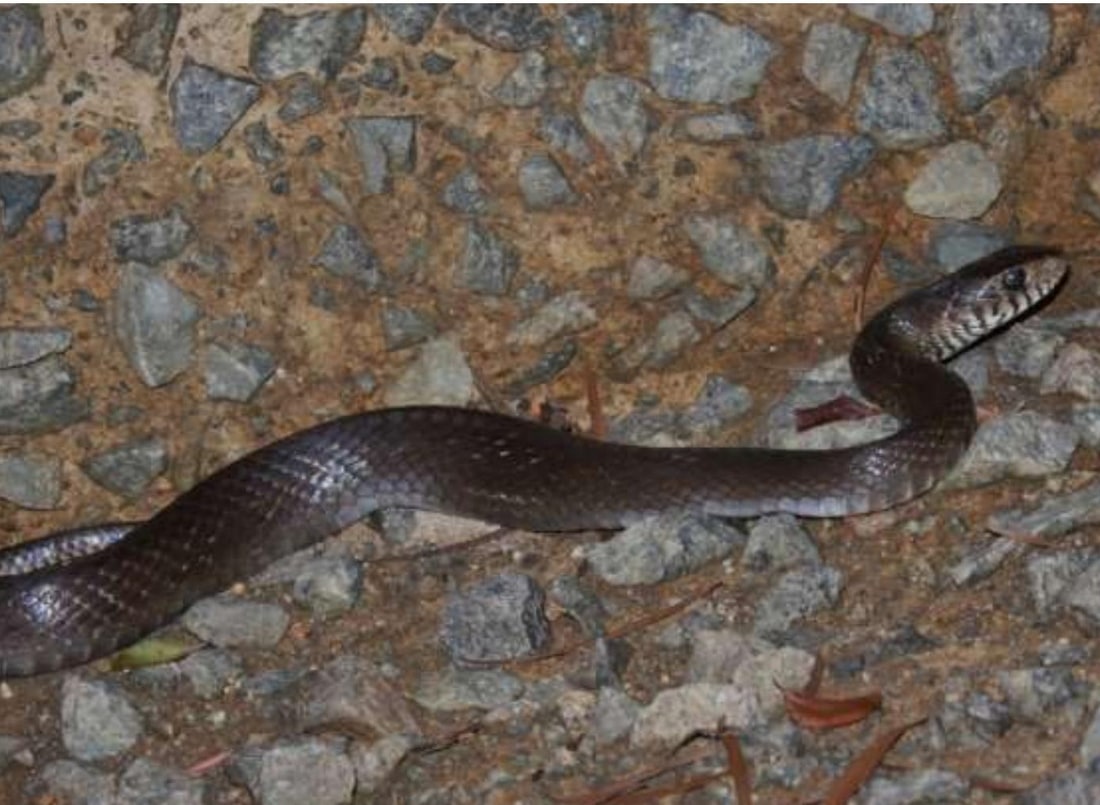
Reptile
Indian rat snake (dhaman)
Ptyas mucosa
धामन
Least Concern
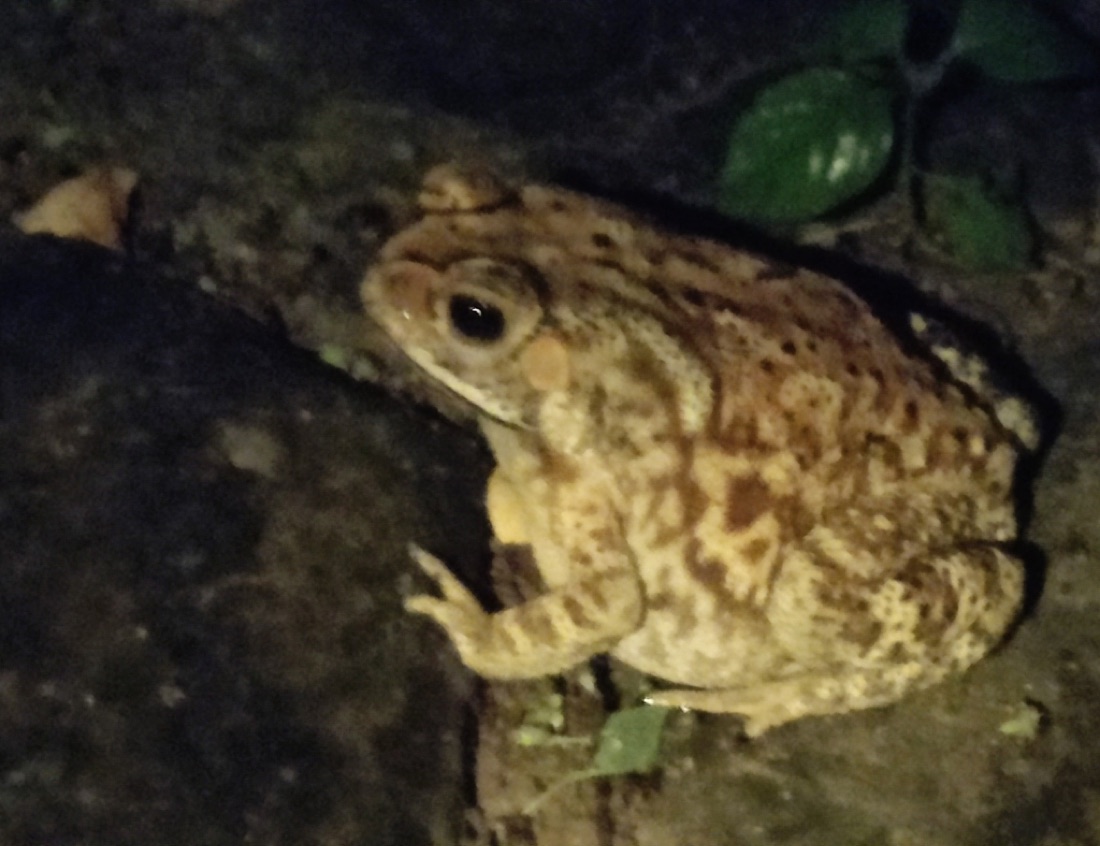
Amphibian
Asian common toad
Duttaphrynus melanostictus
Least Concern
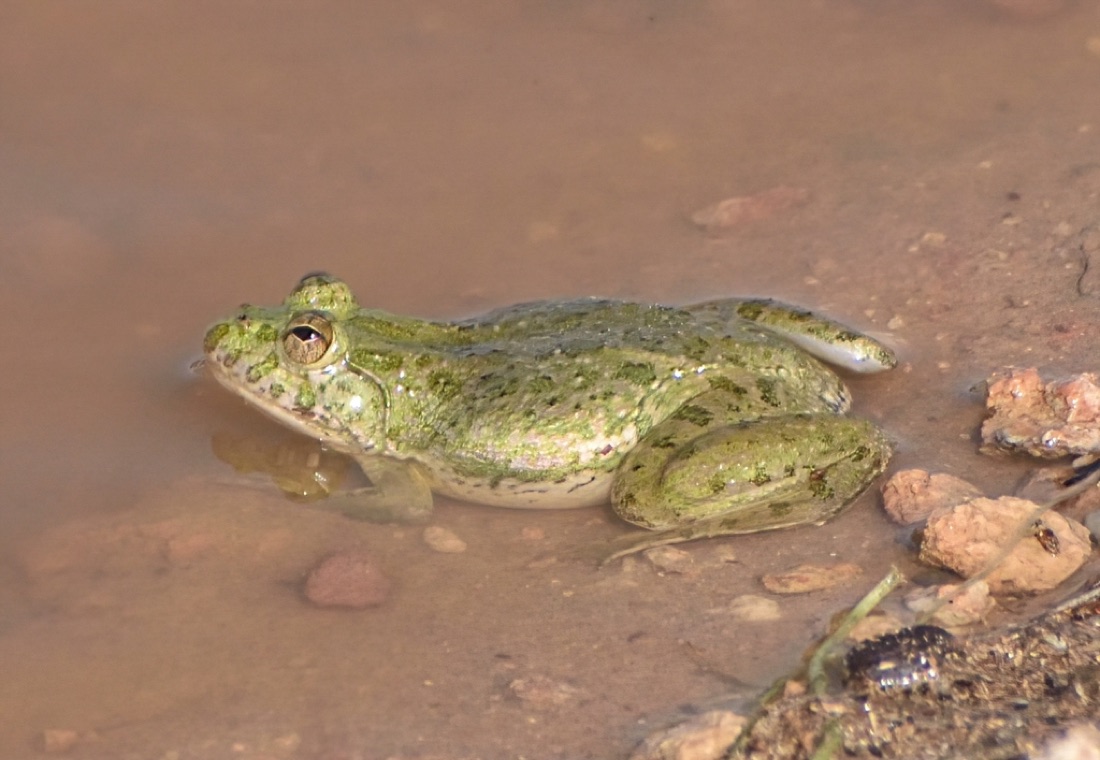
Amphibian
Skittering frog
Euphlyctis cyanophlyctis
Least Concern
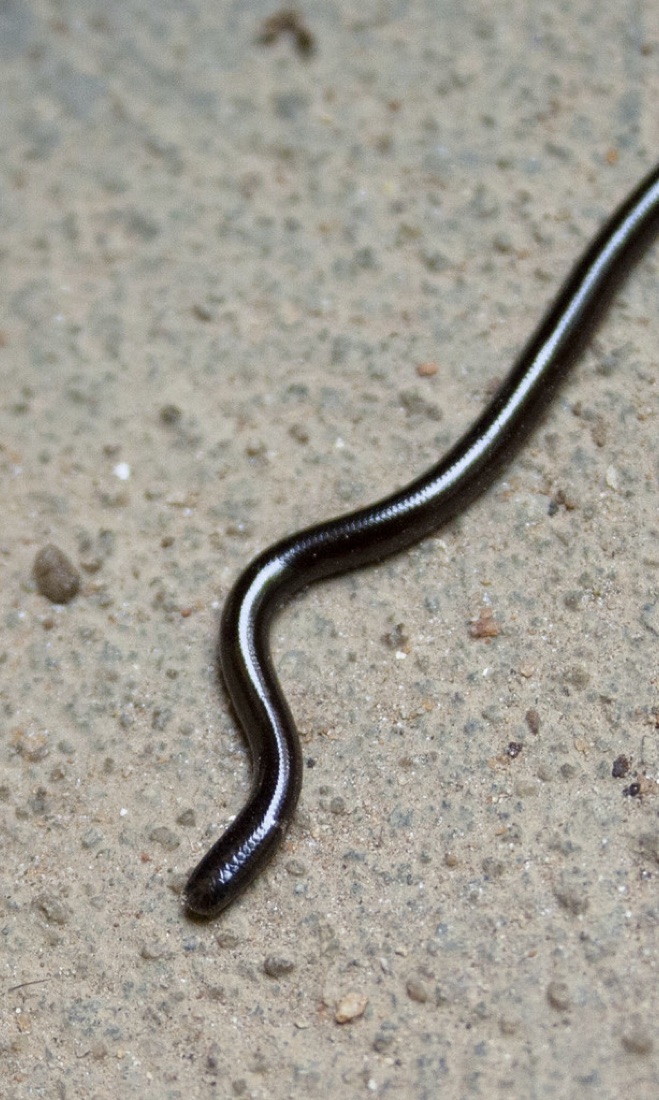
Reptile
Brahminy blind snake
Indotyphlops braminus
Least Concern
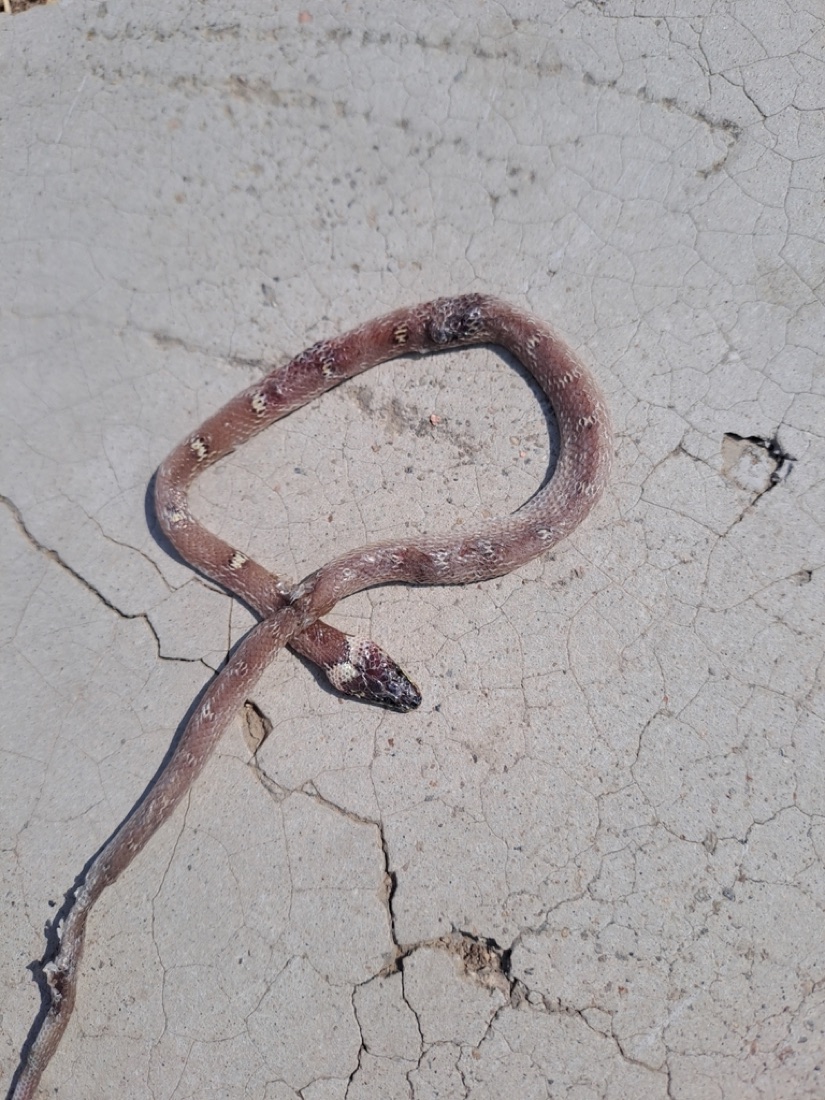
Reptile
Indian wolf snake
Lycodon aulicus
Least Concern